
A calming guide for people who feel anxious when they see tiny dental instruments
If the thought of a dental check-up makes you imagine mysterious metal tools, unexpected poking and receiving bad news while lying flat… you are absolutely not alone.
Many people feel nervous before dental appointments because they don’t know what’s coming next. So today, let’s draw back the curtain and explain exactly what we poke around your mouth with — and, more importantly, why.
Step 1: Looking around — the “detective phase”
First comes the visual exam. We carefully look at your teeth, gums, tongue, cheeks and bite before taking dental photos to keep a visual record of your oral condition.
Think of it as a routine inspection for your mouth. We’re looking for obvious signs of cavities, broken fillings, inflammation, worn areas or anything that seems suspicious.
No action yet. We’re just gathering clues.
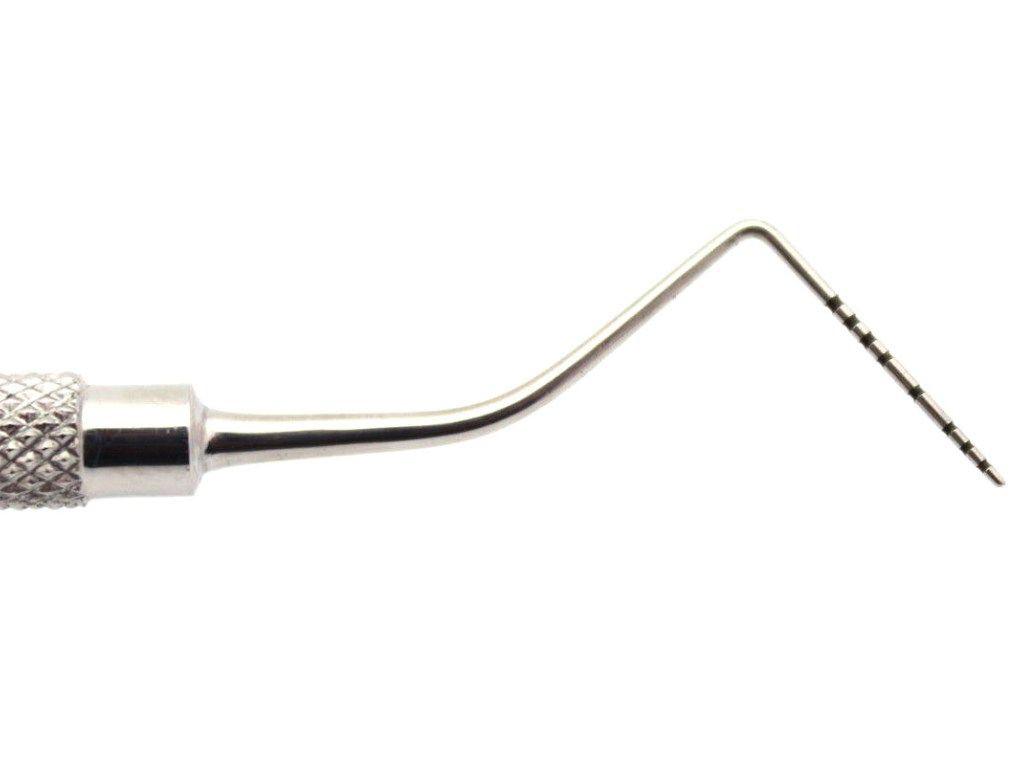
Step 2: The tiny metal implement of terror — Gum Pocket Check
This little instrument is called a periodontal probe, and it looks like a tiny ruler.
Your gums naturally form a small space around each tooth called a gum pocket. During a check-up, we gently measure these spaces to see how healthy your gums are.
Healthy pockets are usually shallow. If pockets become deeper, it can indicate inflammation, gum disease, or bone loss around the teeth.
Yes, you may hear us calling out mysterious numbers:
“Two… three… two… three… four…”
No, it is not a secret code. We are simply recording pocket depths around each tooth.
Some areas may feel a little sensitive—especially if gums are already inflamed—but the procedure itself is quick and helps us detect problems before they become serious.
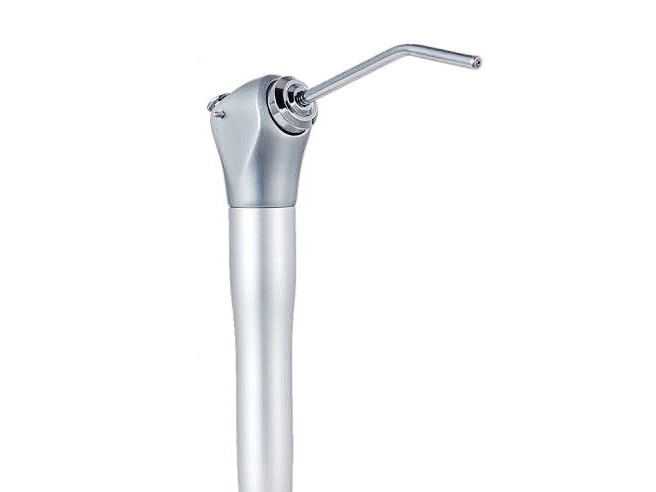
Step 3: The little puff of air — why are we suddenly doing that?
You know that sudden whoosh of air that always catches you off guard? There’s a reason for it.
Blowing air helps dry a tooth surface, making small changes easier to see. It can also help us identify areas that may have early decay.
Sometimes a tooth with a cavity or a weak spot reacts strongly to cold air. That reaction gives us vital information.
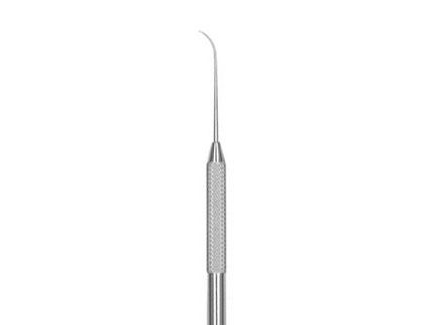
Step 4: Meet the explorer — a tiny dental detective
This instrument is called a dental explorer. Its job is to help us carefully examine the surfaces of your teeth.
We gently glide it over grooves and around fillings to check for rough areas, damaged margins, or spots that may need closer attention.
The explorer is used with a very light touch. It helps us confirm what we see—not launch surprise attacks on your teeth.
Step 5: Dental X-rays — probably the least scary part of all
Despite the dramatic appearance of X-ray machines, dental X-rays are one of the easiest parts of a check-up.
They allow us to see things that are impossible to detect with eyes alone:
- cavities hiding between teeth
- bone levels around teeth
- infections
- wisdom teeth positions
- issues under fillings or crowns
The actual process usually takes only a few seconds. And despite the rumors on the internet, we’re not using the X-rays to discover your deepest secrets. Just your cavities.
Why all this poking matters
Most dental problems start quietly.
Cavities, gum disease and infections often develop long before they cause pain. The goal of a routine check-up is to catch tiny problems before they become giant “why did I wait?” problems.
So if you’re nervous about visiting the dentist, know this: At Hitomi Dental we understand. Truly.
And half the mystery disappears once you know what those strange little instruments are actually doing.
The plot is much less scary when you know the actors.